
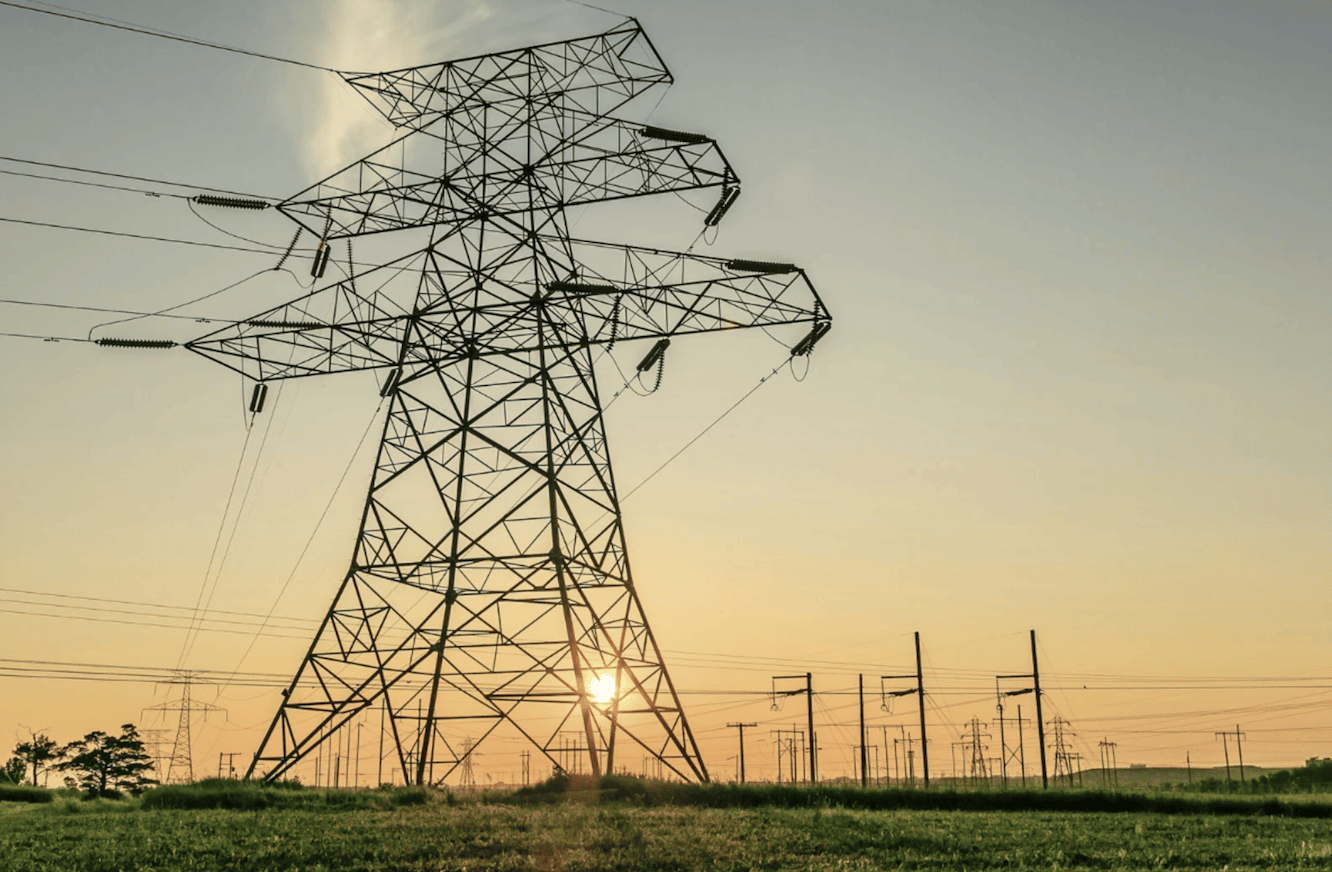
PSEG Renewable Transmission LLC has proposed the Maryland Piedmont Reliability Project (MPRP), a massive high-voltage transmission expansion cutting across Baltimore, Carroll, and Frederick Counties. The company asserts that the project is necessary to prevent thermal overloads and voltage collapse on the regional electric grid. However, the scope, cost, and environmental footprint of the proposal raise serious concerns for communities and ecosystems along its path.
Nearly 100 streams, dozens of acres of wetlands, riparian forests, and sensitive wildlife habitat lie directly in the proposed corridor. If approved, the project would carve a new industrial transmission corridor through forested landscapes, farmland, and waterways that are critical to the health of the Potomac watershed and the Chesapeake Bay.
Early in 2025, Chesapeake Legal Alliance intervened on behalf of the Potomac Riverkeeper Network (PRKN) to ensure that these impacts receive full scrutiny before the Maryland Public Service Commission (PSC) grants any Certificate of Public Convenience and Necessity (CPCN). CLA filed a petition to intervene in February, which the PSC granted in May. In September, the PSC adopted a procedural schedule that reflected comments submitted by CLA and PRKN—rejecting PSEG’s attempt to fast-track the project and signaling that statutory protections for Maryland’s watersheds must be taken seriously.
The MPRP comes at a time when Maryland officials are warning of unprecedented strain on the regional electric grid. According to PJM Interconnection, projected growth in electricity demand—driven largely by the explosive expansion of data centers—could reach roughly 30 gigawatts. Media reports have warned that this surge could result in dramatic increases in electric bills for residents, potentially as much as $70 more per month by 2028.
State leaders have cautioned that unchecked transmission expansion could saddle as many as 67 million ratepayers with billions of dollars in long-term costs. Projects like the MPRP, if approved without rigorous review, risk locking Maryland communities into higher energy prices, deeper fossil-fuel dependence, and long-lasting environmental harm.
CLA’s intervention highlights the broader connection between data-center growth, aggressive transmission planning by PJM, and the resulting pressure to industrialize forests, farmland, and waterways. As the nation’s densest data-center hub in Northern Virginia continues to expand northward, Maryland’s landscapes and watersheds face increasing risk from infrastructure projects driven by speculative load forecasts rather than demonstrated public need.
Drawing on years of experience in Virginia, where poorly sited data centers have threatened wetlands, historic landscapes, and drinking-water resources, CLA is bringing that expertise to Maryland. The legal team has supported community coalitions, challenged harmful projects, and advanced legislative reforms to rein in irresponsible development—and is now applying those lessons to protect the Potomac watershed through the MPRP review process.
The PSC’s decision to reject PSEG’s effort to fast-track the MPRP represents a critical early victory. By slowing the process and adopting a procedural schedule that reflects stakeholder concerns, Maryland regulators have signaled their willingness to ensure that environmental protections are not brushed aside in the rush to expand transmission infrastructure.
This intervention is only the beginning. Over the coming months, CLA and PRKN will advocate for a rigorous environmental review, a comprehensive analysis of alternatives, and enforceable mitigation measures to safeguard streams, wetlands, forests, and communities along the proposed corridor. The scale of what is proposed—and what is at risk—demands nothing less.
As data-center infrastructure continues to expand across the Chesapeake Bay watershed, Maryland cannot afford to sacrifice clean water, intact forests, and healthy ecosystems for projects driven by corporate demand or speculative growth projections. Chesapeake Legal Alliance will remain on the front lines to ensure that decisions about Maryland’s energy future reflect the needs of communities, ecosystems, and the Chesapeake Bay we all depend on.
Parties involved in compiling this comment letter include: Chesapeake Legal Alliance, Waterkeepers Chesapeake, Blue Water Baltimore, Potomac Riverkeeper Association, Gunpowder Riverkeeper, and Lower Susquehanna Riverkeeper Association
Potomac Riverkeeper Network, represented by Chesapeake Legal Alliance, submitted comments opposing PSEG Renewable Transmission LLC’s request to advance its Certificate of Public Convenience and Necessity for the Maryland Piedmont Reliability Project. The comments support the Maryland Department of Natural Resources Power Plant Research Program’s finding that PSEG’s application is administratively incomplete and argue that the proceeding should not move forward until required environmental studies and analyses are completed. Potomac Riverkeeper Network also challenges PSEG’s attempt to limit public participation by denying intervenor status to environmental organizations, emphasizing the organization’s unique expertise and direct interest in protecting the Potomac River watershed. The filing urges the Public Service Commission of Maryland to uphold procedural safeguards, ensure compliance with state and federal environmental laws, and require a complete application before considering approval of the project
Potomac Riverkeeper Network, represented by Chesapeake Legal Alliance, filed a petition to intervene in proceedings before the Maryland Public Service Commission concerning PSEG Renewable Transmission LLC’s proposed Maryland Piedmont Reliability Project. The petition explains that the organization and its members have direct, substantial, and unique interests in protecting the Potomac River watershed that are not adequately represented by existing parties. Potomac Riverkeeper Network seeks intervenor status to participate fully in the proceeding and to address the project’s potential impacts on rivers, streams, wetlands, sensitive habitats, and water quality within the Potomac and Chesapeake Bay watersheds.