Per- and polyfluoroalkyl substances (PFAS)—often called “forever chemicals”—are a class of thousands of synthetic compounds used in industrial manufacturing, consumer products, firefighting foams, and everyday waste streams. They earn the “forever” name because they don’t biodegrade, build up in soil and water, and bioaccumulate in the human body. A growing body of research has linked PFAS exposure to serious health harms, including cancers, immune disruption, endocrine disorders, and developmental impacts. PFAS have been detected in the vast majority of Americans’ blood, illustrating how widespread exposure has become.
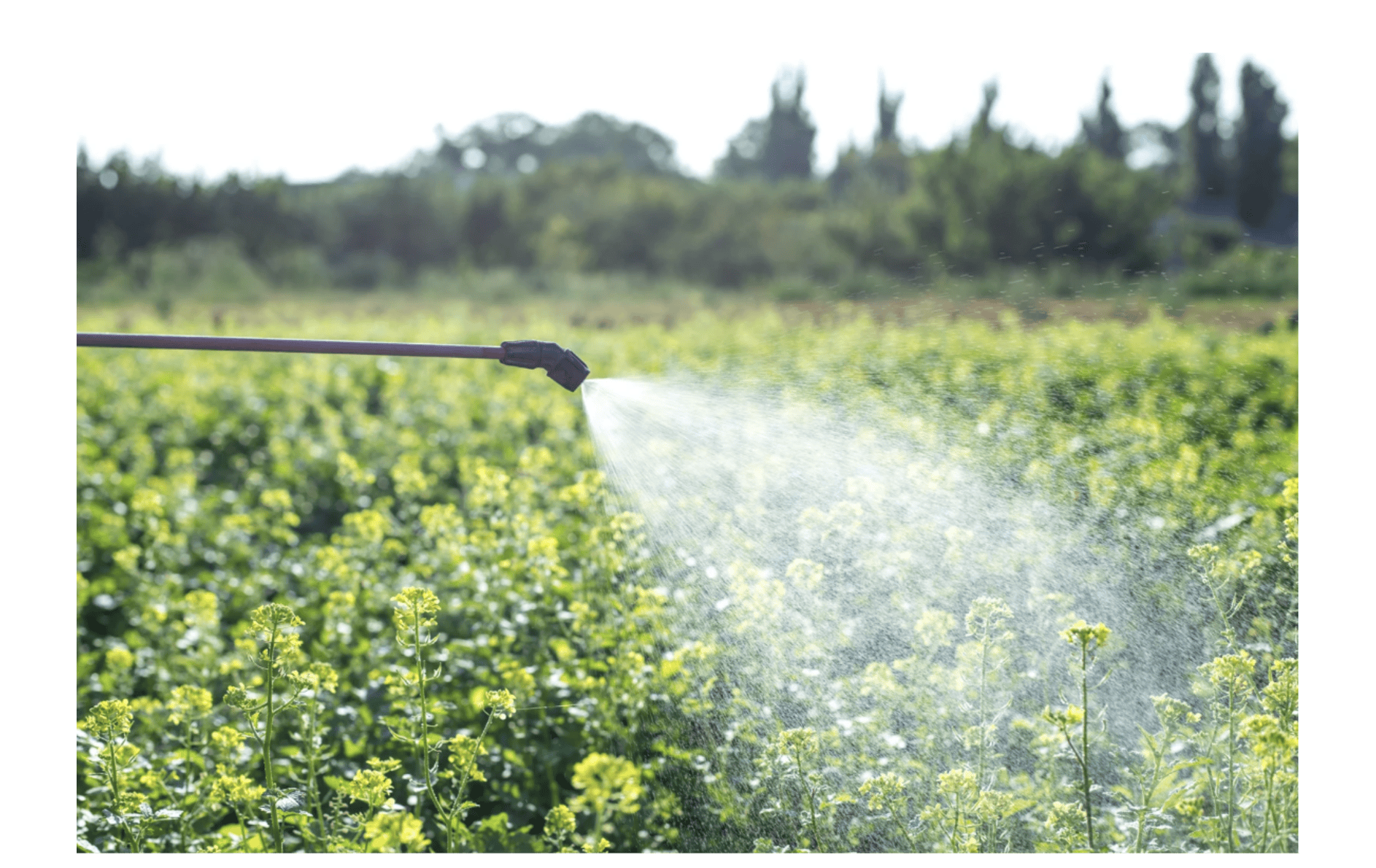
One of the primay pathways of PFAS contamination in the Chesapeake Bay region is the land application of sewage sludge, often marketed as “biosolids.” Wastewater treatment plants receive industrial waste that can contain PFAS, and the resulting sludge can concentrate those chemicals. When contaminated biosolids are spread as fertilizer, PFAS can move into soils, crops, groundwater, livestock, and ultimately the food supply. EPA monitoring has documented PFAS contamination in foods grown on sludge-treated land—including milk, beef, eggs, and produce—and the long-term consequences can be severe: contaminated fields can become unusable for generations, and PFAS plumes can migrate into streams, rivers, and drinking water sources.
At the same time, the regulatory landscape is shifting. In 2025, federal protections became more uncertain, and many states began introducing legislation to fill the gap. The result is a patchwork of oversight—while communities face very real risks, monitoring and disclosure requirements remain minimal or nonexistent in many places.
This is where Chesapeake Legal Alliance stepped in.
CLA has expanded its PFAS work across the watershed to press for science-based limits, meaningful disclosure, and protections that prevent PFAS contamination before it reaches farms and waterways. In late 2024, the Virginia Department of Environmental Quality announced its intent to issue a permit allowing Synagro, LLC—one of the nation’s largest biosolids companies—to nearly double sewage sludge application in Westmoreland County. The draft permit contained no enforceable safeguards to prevent PFAS contamination of farmland, groundwater, or downstream waters.
Working with the Potomac Riverkeeper Network, CLA submitted extensive comments urging DEQ to deny the permit or include enforceable PFAS protections. Community concern helped secure a public hearing on March 17, 2025, giving residents a critical chance to demand safeguards for their land and drinking water.
Beyond permitting, CLA is also advocating for stronger state protections—particularly in Maryland—that go to the source of PFAS pollution. Laws that identify major PFAS users, require monitoring, set action levels, and strengthen pretreatment controls help ensure that the costs of pollution control are borne by the industries creating the problem—not shifted onto municipalities and ratepayers.
Support the work. Donations help fund the legal and advocacy work needed to push for enforceable PFAS protections across the watershed.
Make your voice heard. Public comments and testimony can be the difference between a permit with real safeguards and one that leaves communities exposed.
Questions or want to get involved? Email evan@chesapeakelegal.org
Privacy: Read CLA’s Privacy Policy here